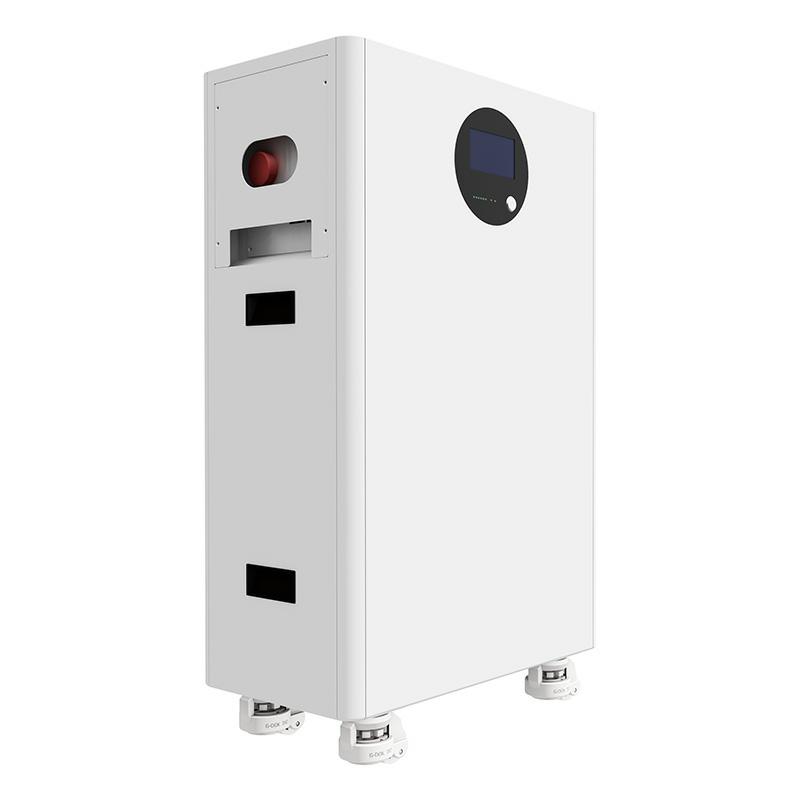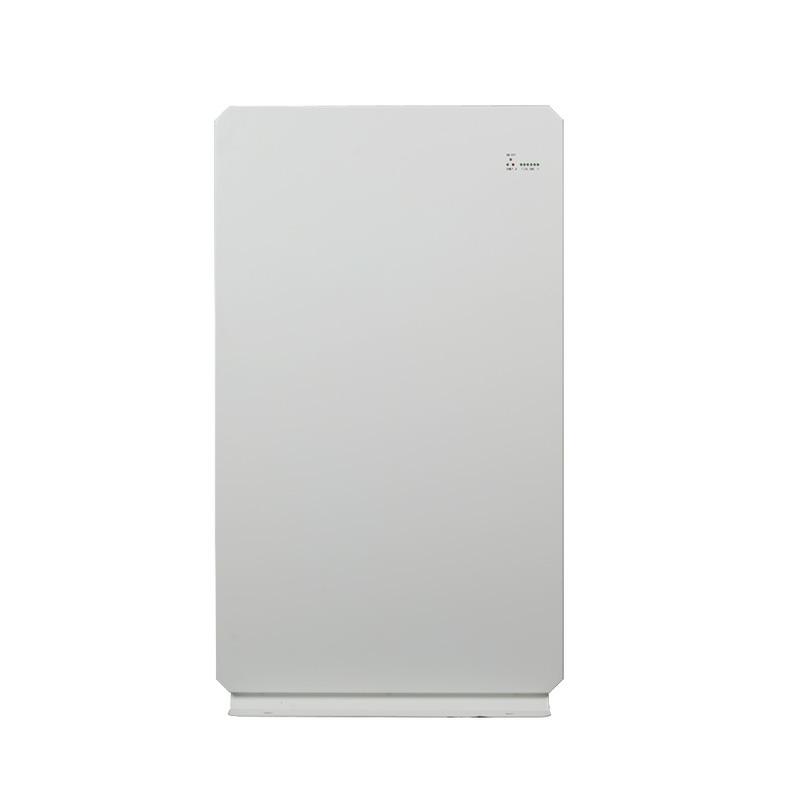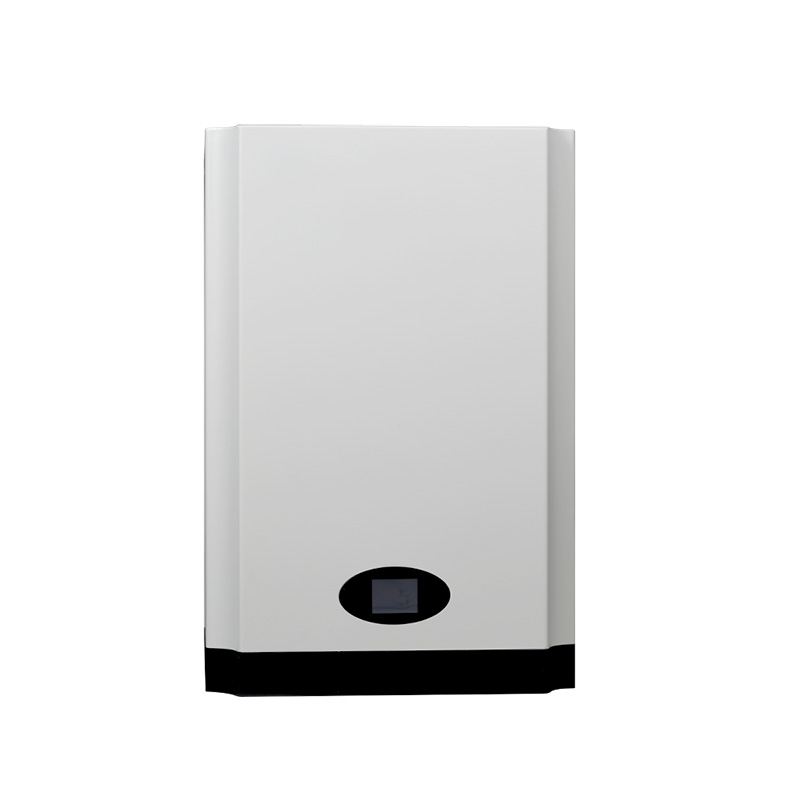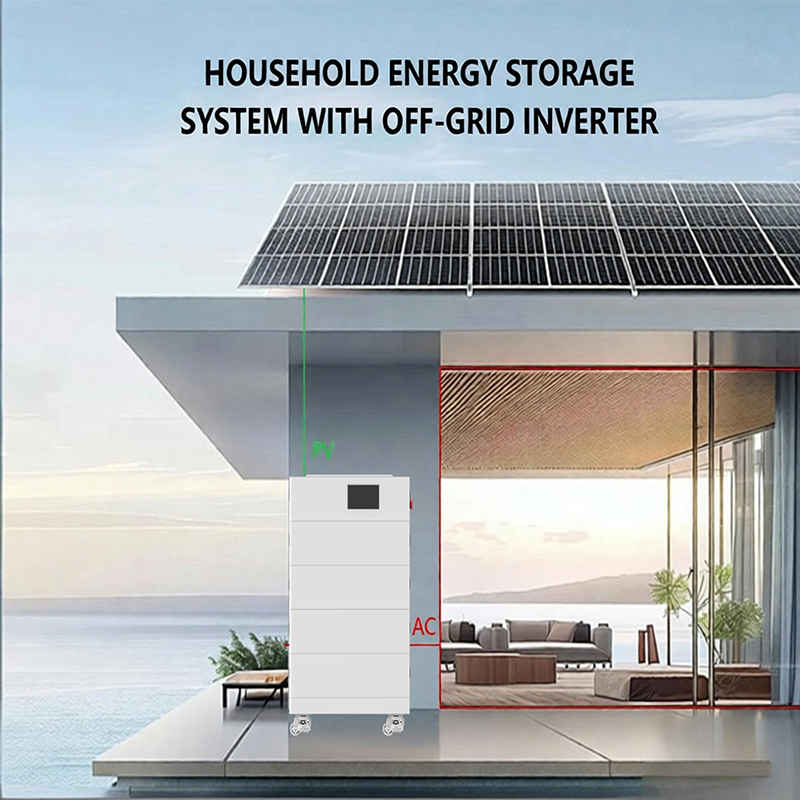

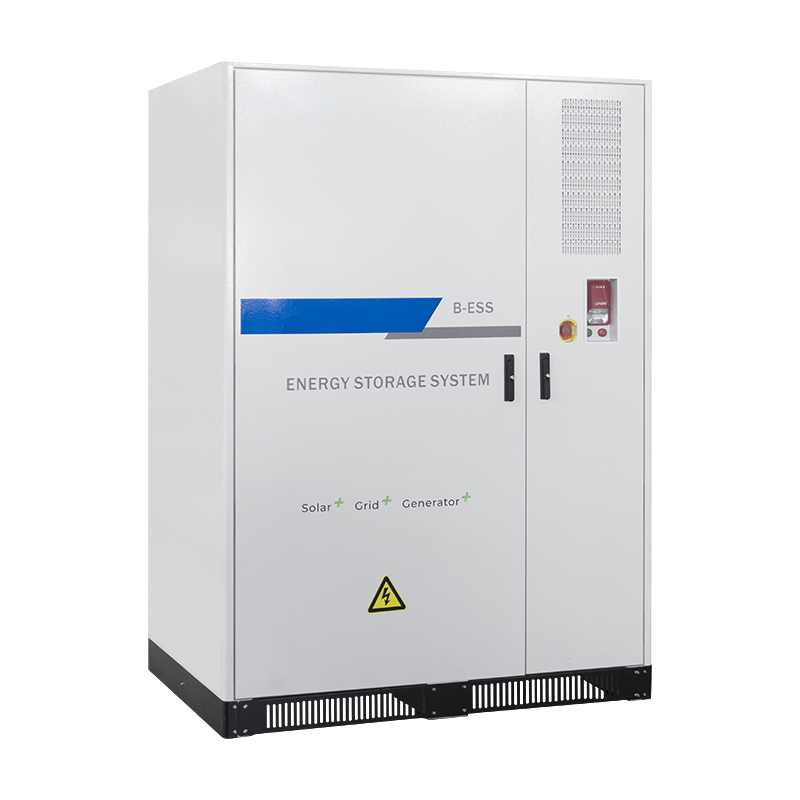
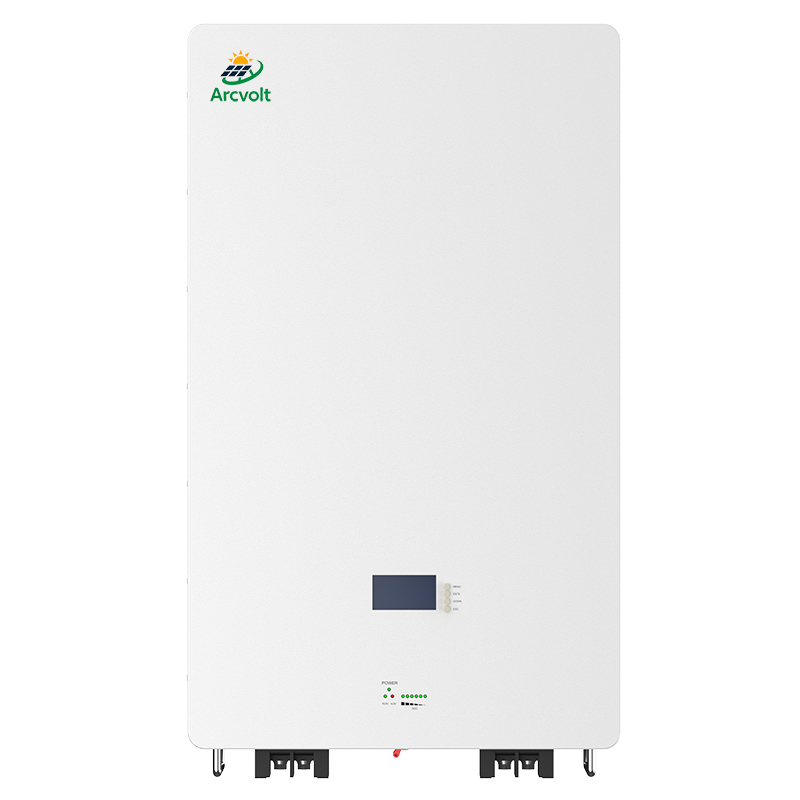
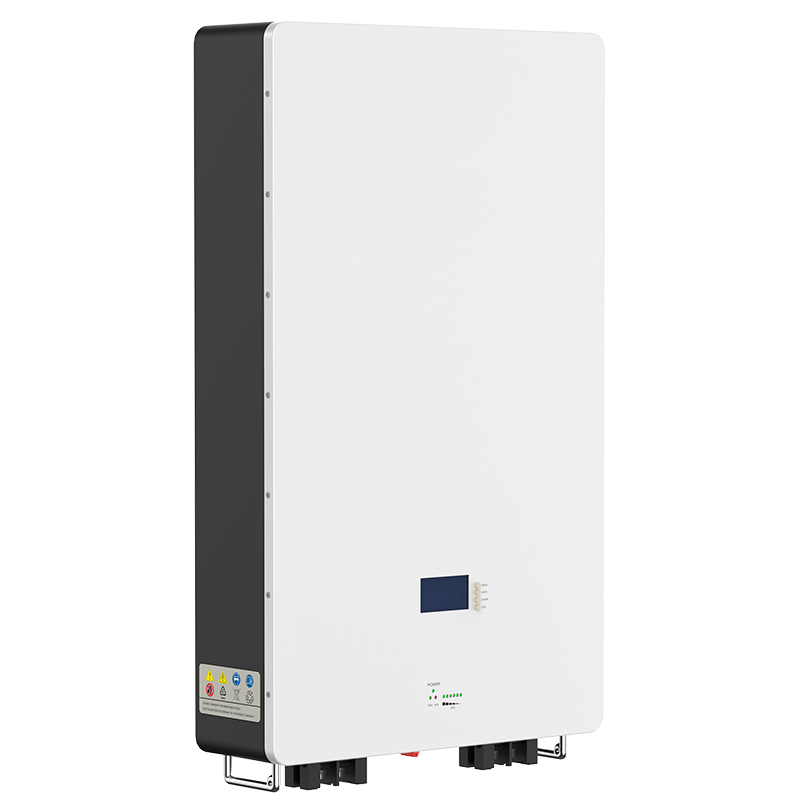
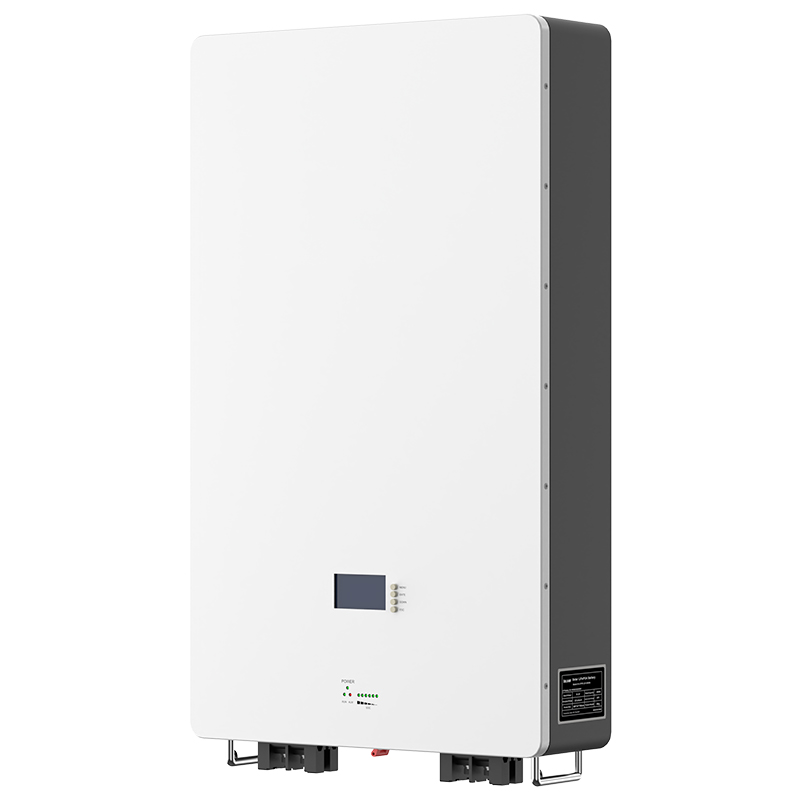
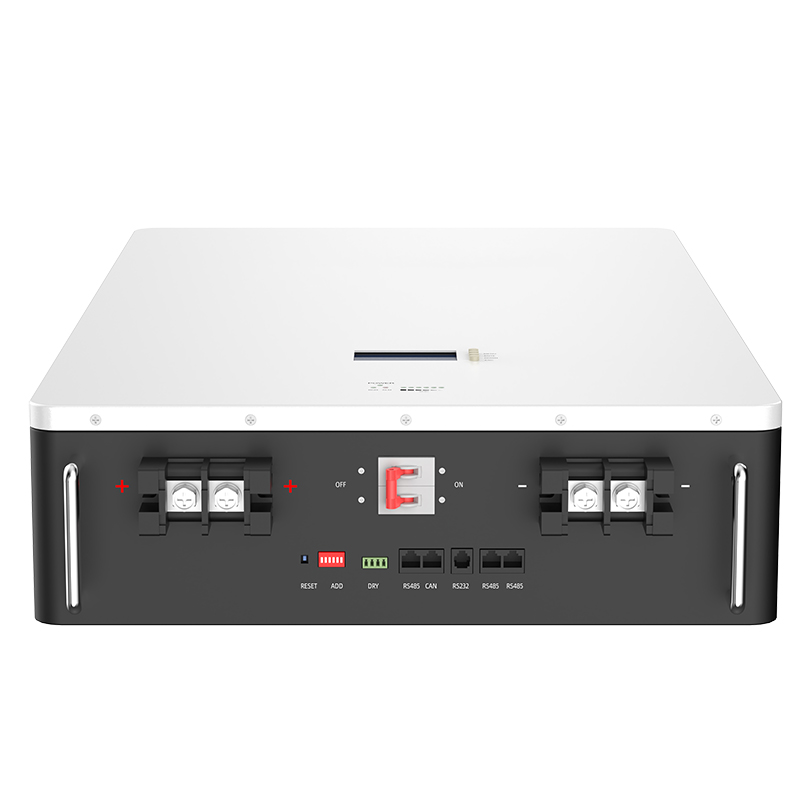
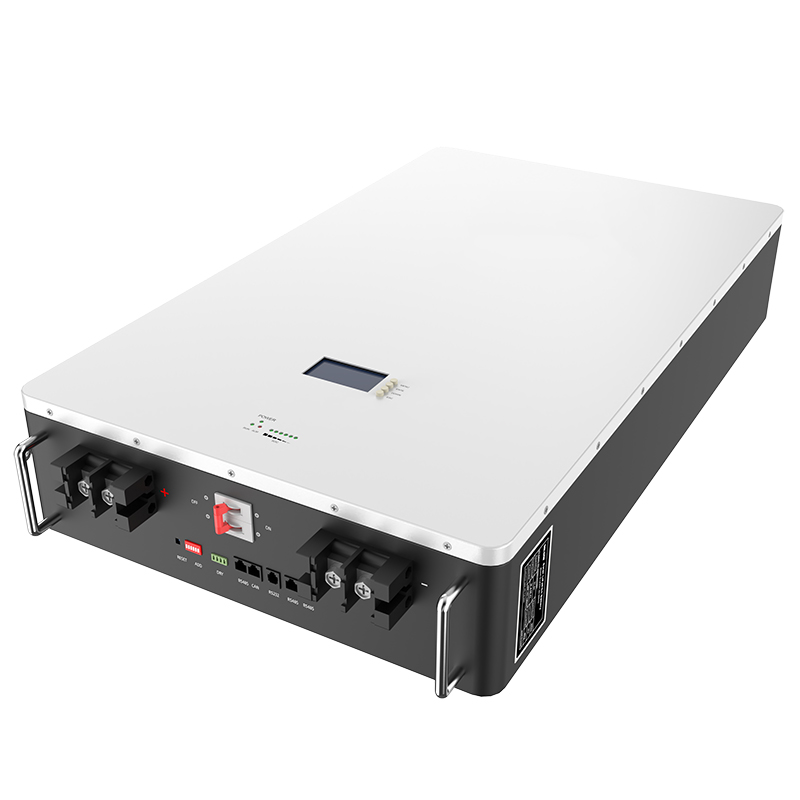
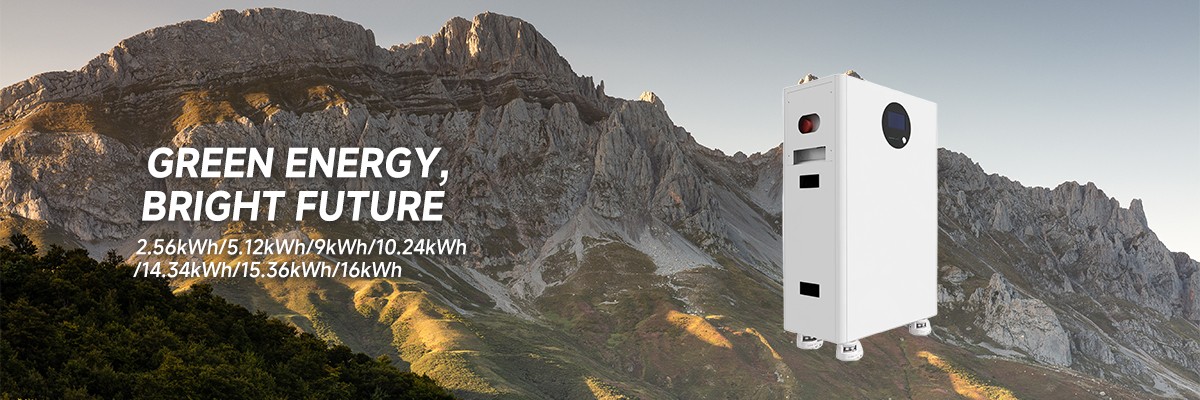
The ARCV-LFP48-200PW is a powerful, 51.2V, 10.24 kWh LiFePO4 wall-mounted home battery designed to enhance solar energy storage systems(ESS). With its advanced Lithium Iron Phosphate (LiFePO4) chemistry, this battery offers unmatched safety, longevity, and energy efficiency for residential solar power solutions. The system is highly scalable, allowing users to expand their storage capacity with up to 30 cells. The integrated Battery Management System (BMS) ensures optimal performance by providing real-time data and monitoring critical metrics like State of Charge (SOC), maximizing the functionality of the energy storage system.
KEY FEATURES
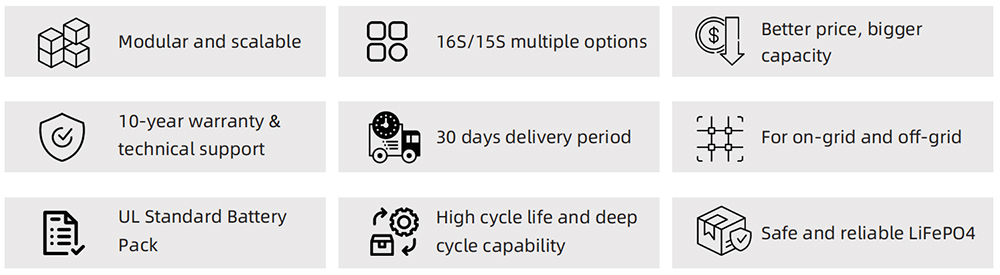
High Energy Capacity: 10.24 kWh of energy with a nominal voltage of 51.2V (16S), designed for reliable solar energy storage.
Efficient & Reliable: 99% efficiency ensures minimal energy loss, optimizing the energy storage experience.
Long-Lasting Performance: Self-discharge rate of less than 1% per month, ensuring long-term energy reliability with minimal maintenance.
Scalable Design: Flexible system design that supports up to 30 cells for increased storage capacity, catering to different energy needs.
Industry-Leading BMS: Advanced Battery Management System that ensures safe operations, enhances battery life, and provides closed-loop communication with leading inverters.
Wide Temperature Range: Operates effectively in a wide temperature range (-20°C to 60°C for discharge), suitable for various environmental conditions.
Safe & Durable: Built with LiFePO4 cells known for their stability and high safety standards. Features IP20 protection and is housed in a robust steel case.
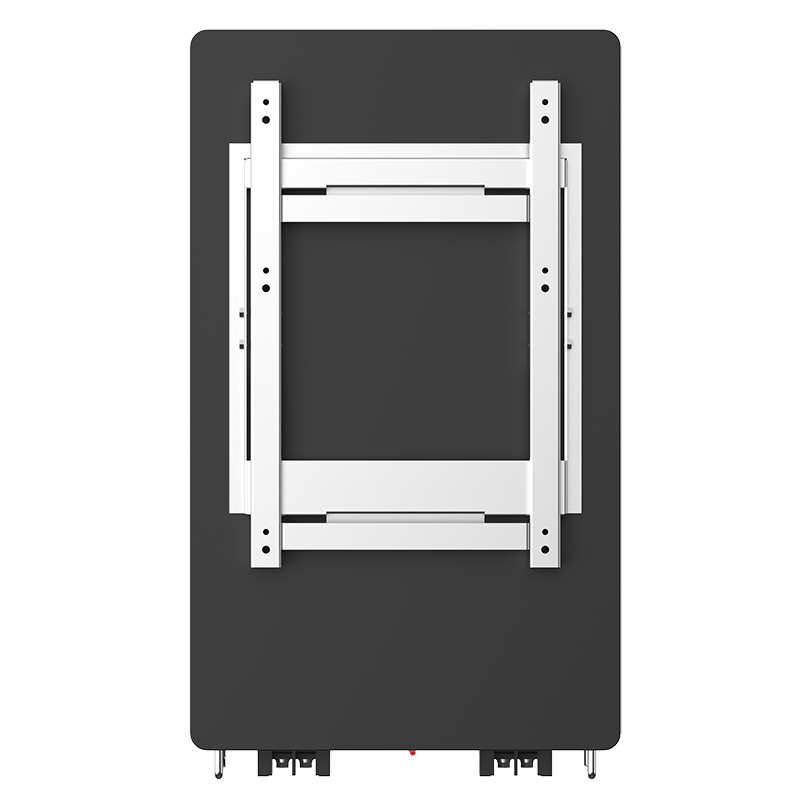
Easy Installation: Compact design (820 x 490 x 147 mm), weighing approximately 95 kg, and ideal for wall-mounted installation in residential settings.
Technical Specifications
| ARCV-LFP48-200PW | |||
| ELECTRICAL SPECIFICATIONS | MECHANICAL SPECIFICATIONS | ||
| Nominal Voltage | 51.2V ( 16S) | Dimensions (L x W x H) | 820*490*147 MM |
| Nominal Capacity | 200 A H | Weight | About 95 KG |
| Energy | 10240 W H | Case Material | Steel |
| Efficiency | 99% | Cell Type | Prismatic |
| Self Discharge | <1% per Month | Chemistry | LiFePO4 |
| DISCHARGE SPECIFICATIONS | IP level | IP20 | |
| Max. Continuous Discharge Current | 200 A | CHARGE SPECIFICATIONS | |
| Peak Discharge Current | 200 A | Recommended Charge Current | 100 A |
| Standard Discharge Current | 100 A | Maximum Charge Current | 190 A |
| Voltage At End Of Discharge | 45.6 V | Recommended Charge Voltage | 56.2 V |
| TEMPERATURE SPECIFICATIONS | COMPLIANCE SPECIFICATIONS | ||
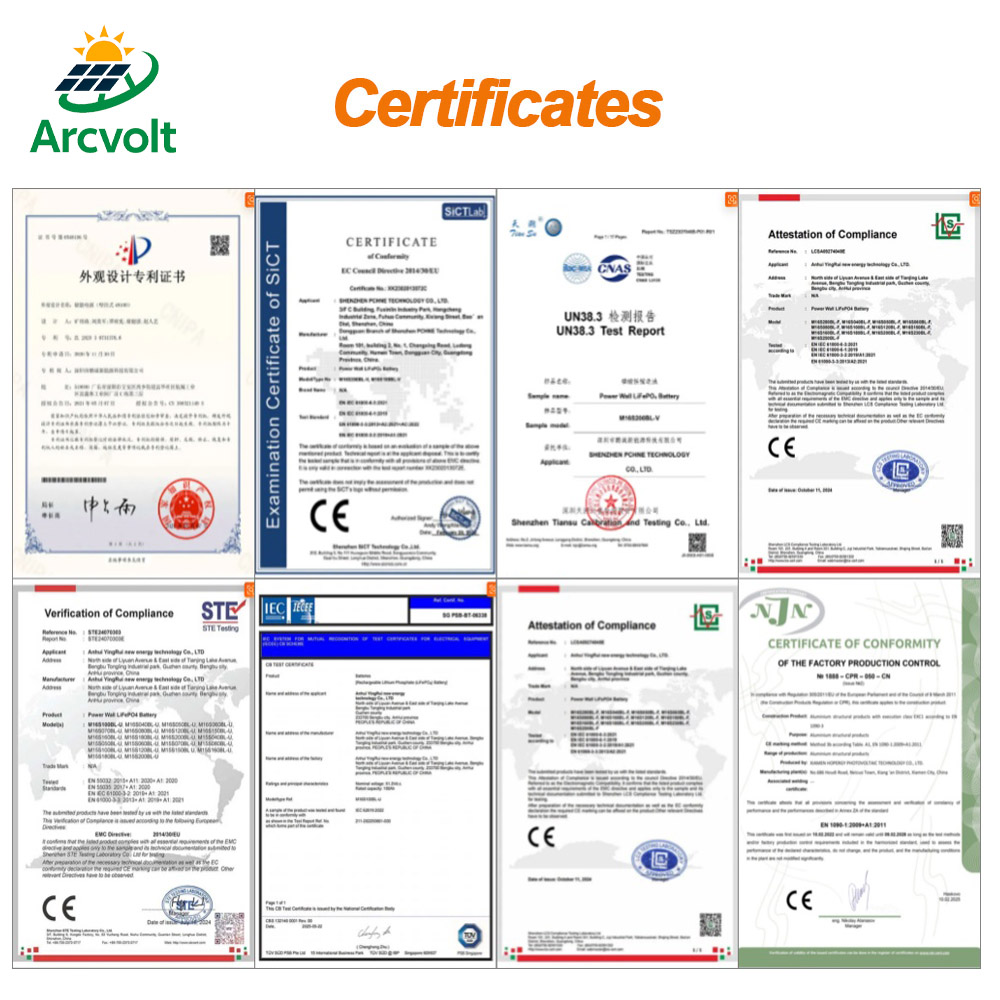
| Discharge Temperature | (-20~60℃) | Certifications | CEC, UL197 3/CE, ROHS 2. 0/IEC6261 9 |
| Charge Temperature | (0~55℃ ) | Shipping Certification | UN38. 3 |
| Storage Temperature | (-20~55℃ ) | Shipping Classification | UN3480,CLASS9 |
FAQs
Q1: What is the capacity of the ARCV-LFP48-200PW battery?
A1: The ARCV-LFP48-200PW offers a capacity of 10.24 kWh, with a nominal voltage of 51.2V (16S). It is suitable for residential solar energy storage systems.
Q2: How scalable is the ARCV-LFP48-200PW?
A2: This system is highly scalable, supporting up to 30 cells in parallel to increase the energy storage capacity as per the needs of the household.
Q3: What are the key benefits of using LiFePO4 chemistry?
A3: LiFePO4 is known for its safety, stability, and long cycle life. It offers a safe energy storage solution for residential solar power systems, reducing risks compared to other lithium-ion chemistries.
Q4: What certifications does the ARCV-LFP48-200PW battery comply with?
A4: The ARCV-LFP48-200PW is CE, UL1973, RoHS 2.0, and IEC62619 certified, ensuring it meets global safety and performance standards.
Q5: What is the self-discharge rate of the ARCV-LFP48-200PW?
A5: The battery has a low self-discharge rate of less than 1% per month, ensuring high energy retention over time.
Q6: What is the recommended charge current and voltage?
A6: The recommended charge current is 100A, with a maximum charge current of 190A. The recommended charge voltage is 56.2V.
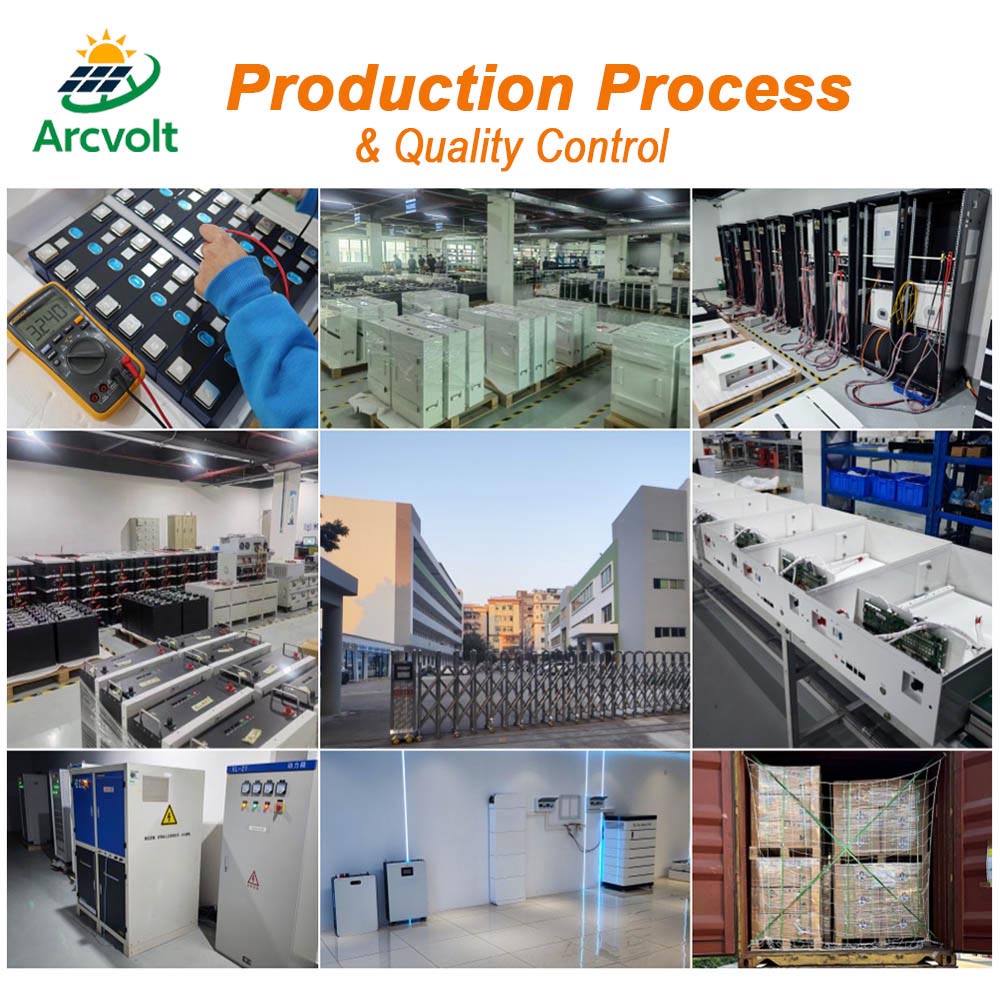
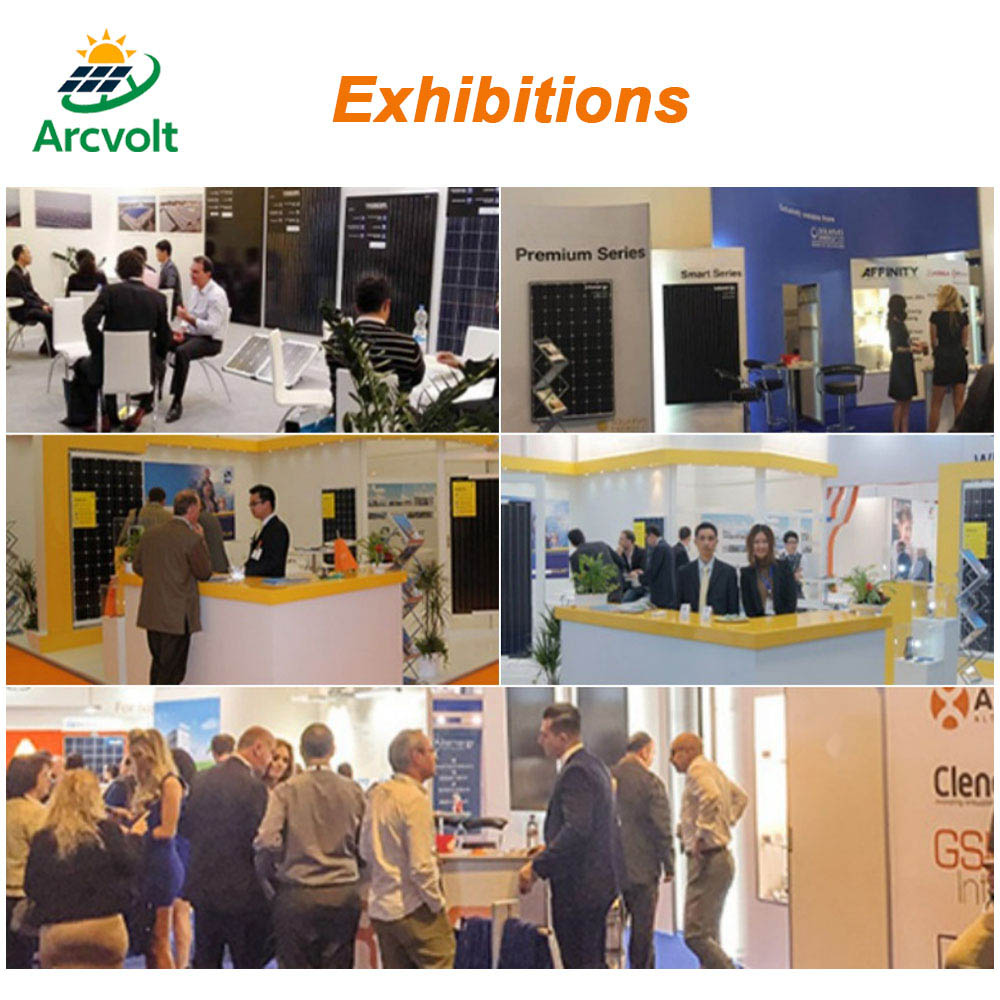
We are a leading innovator and manufacturer in lithium battery technology, dedicated to engineering and manufacturing high-quality LiFePO4 solar batteries and power systems. Our core business involves the complete lifecycle of product development, from initial design to final production of dependable lithium battery packs. We proudly serve diverse sectors with customized solutions for energy storage, critical backup power systems, and compatible inverters and solar panels.
Based on automated production technology, Arcvolt are able to meet our customers' product needs quickly. However, the exact lead time depends on the quantity and the season you place the order.
Usage scenario: wall-mounted batteries, rack-mounted batteries, and stacked batteries. Voltage: 48V or 51.2V batteries, low/high voltage batteries Application: Residential storage batteries, industrial and commercial energy storage batteries.
While the typical home system uses 2 or 3 batteries, the perfect number for you is a personal choice. It all comes down to what you want to power during a grid outage and for how long. Do you need to run just the essentials or your whole house?
Yes, going completely off-grid is possible, but it's a significant step beyond standard solar with battery backup. A true off-grid system requires a much larger solar array and battery bank to power your home 24/7, making it a substantial investment. You also need a reliable backup source, like a generator, for days without sun. It's important to note that in North Carolina, disconnecting a home from the utility grid can be a complex process.
We accept EXW,FOB,CFR,CIF,etc. You can choose the one which is the most convenient or cost effective for you.
Absolutely. Our in-house design team specializes in OEM and ODM projects to bring your brand's vision to life. Simply provide us with your concept, high-resolution logo, and any text or images you'd like to include. We will then create a professional design proof for your final approval before we proceed.
Certifications are a key part of our pre-production checklist. We start by confirming with you which certifications are needed. These requirements are then integrated into the project timeline to ensure completion before shipment, and are formally documented in the signed agreement.
We offer lifetime technical support, with our engineers available 24/7 to provide prompt online assistance.
Yes, most of Arcvolt's inverters are designed to be scalable, meaning your system can grow with your needs. However, it's something that requires planning. Before adding more panels, it's essential to confirm that your current inverter can handle the additional power. We always recommend discussing your future plans with a professional to ensure your initial system is future-ready.
It depends on whether you have batteries. For Solar + Battery systems: A hybrid inverter is essential. It seamlessly manages power from panels and batteries in a single unit. For Solar-Only systems: Traditional inverters (like string or microinverters) are an option. The main advantage of a hybrid inverter is that it eliminates the need for a separate charge controller, making for a cleaner and more efficient installation.
Selecting the right inverter is one of the most important decisions you'll make for your solar project. While technical specifications matter, the long-term value comes from the manufacturer. Arcvolt advise customers to look beyond the data sheet and assess the company on these five critical points: their warranty, quality control standards, customer service responsiveness, installation support, and competitive pricing.
Generally, you want the inverter's size to match your solar array's power output. So, if you're installing a 5,000-watt solar system, you'll need an inverter of at least 5,000 watts to handle the load.
Yes, samples are available upon request as part of the qualification process for bulk orders. Please reach out to a member of our customer service team to discuss your specific requirements and they will assist you with the next steps.
Think of it as your personal energy bank. During the day, it saves up all the extra, unused power your solar panels generate. Then, you can draw from that stored energy whenever you need it—at night, during a power outage, or to avoid high-cost peak hours. For homeowners, this means energy independence and peace of mind. For businesses, it's a powerful tool to slash electricity bills.
Smart inverters are central to a system's reliability. Our inverter provide a constant stream of performance data, giving you a real-time view of your entire solar array. If a problem arises, the inverter's diagnostic tools can pinpoint the exact issue, which significantly speeds up repairs. This intelligent monitoring is key to preventing small problems from becoming big ones and guarantees the consistent, reliable operation you expect.
MPPT is a crucial technology that ensures you're not wasting sunlight. Because sun conditions are always changing, there is always a single, optimal point where your solar panels operate most efficiently. MPPT is the brain that constantly scans and adjusts the system to find and stay locked onto that "maximum power point." This guarantees you are harvesting the most energy possible from your panels at any given moment.
It's a question of priorities, and the logical first step is always generation. You have to make power before you can store it. Solar panels directly reduce your utility bills by producing electricity. Batteries give you control over when you use the excess electricity you've already made. We help our customers design a system that maximizes their solar panel array first, as this delivers the biggest and fastest return on investment.
A grid-tied inverter is the standard type used to reduce your electricity bills with solar. It safely connects your solar system to the utility's grid, allowing you to seamlessly feed any surplus power you produce back to the utility. In return, you receive credits on your bill for that energy, a process known as net metering. For safety, these inverters automatically shut down during a power outage.
The exact amount of power you generate is unique to your home and depends on your system's size, your roof's orientation, and how much direct sun you get. However, to give you a real-world idea, our typical 6kW home system can produce around 30kWh of electricity on a clear, sunny day. For most households, that's more than enough to cover all of your energy needs for a full 24 hours.